The presentation ceremony will take place this Thursday at 6 p.m., at the Club d’Esplai Bellvitge (Rambla Marina 161-177, Hospitalet) and the following have been summoned 60 young people from entities and resources of: Hospitalet (IES Fontserè), Cornellà (SSocials Fontsanta), Terrassa (Guadalhorce), Barcelona (Casal dels Infants del Raval), Badalona (Casal dels Infants del Raval), Gavà (Masia Espinós), Sant Joan Despí (social services), Castelldefels (social services).
The Tresca Europe project consists of the transfer of the program of social and labor inclusion of young people.
Tresca Jove that until now has been developed by the Fundació Catalana del Esplai in Catalonia to social entities in Spain, Portugal and Italy and will involve the participation of 350 young people.
On the other hand, on Wednesday, March 19, will also be launched the 4th edition of the
Tresca Jovethe Catalan edition of this initiative. In this case, it will be at the Cultural Center La Creueta (Plaza de la Guingueta 1, Hospitalet) at 6 pm.
El Tresca in “El Periódico”!
On Tuesday, March 11, El Periódico de Cataluña published this two-page report on the intergenerational mentoring experience within the framework of the Tresca Europe program, promoted by the Foundation.
The report includes the experience of the senior volunteers (many of them are part of the Association Volunteers in Business Consulting – VAE) who advise and accompany the boys and girls participating in the Tresca Europe program.
An initiative that began in 2010
The Tresca Europe project, funded by the philanthropic organization
Stavros Niarchos Foundation and now coordinated by the Esplai Foundation, establishes the methodology of the youth program Tresca Jove to the social entities Agencia Joven de Burjassot (Valencia), Fundaçao da Juventude (Portugal) and the association ARCI (Italy).
The success of the Tresca Jove program, which the Foundation started in 2010 and which has involved 205 young people from 17 municipalities in the province of Barcelona, is backed by the excellent results obtained in the social inclusion of the young participants.
In the last completed edition of the Tresca Jove project, 27% of the young participants have been linked voluntarily to educational and social organizations in the territory, 20% have joined the labor market, and 16% have resumed their training process.
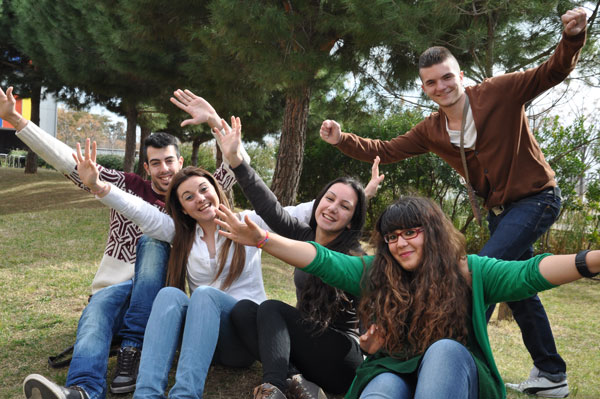 The Esplai Foundation will present this Thursday, March 13, the 2nd edition of the Tresca Europethe program of social and labor insertion of young people that is carried out with the collaboration of Stavros Niarchos Foundation.